
By Stacy Collado
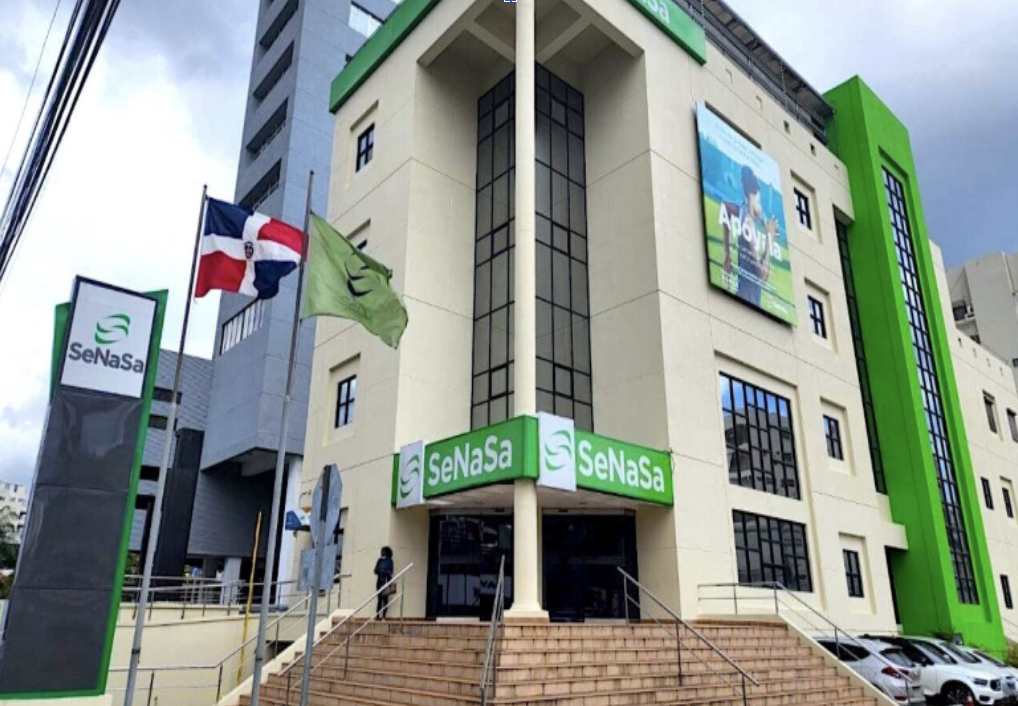
On January 28, 2026, evidence of systemic fraud within the Dominican Republic’s SeNaSa Medicaid system surfaced through accounts of medication theft and falsified medical procedures. Patients and hospital staff report that critical supplies, such as insulin, are being billed to the government while never reaching the citizens in need, revealing a deepening crisis in the nation’s public healthcare infrastructure.
Originally established as a universal safety net, SeNaSa was designed to provide reliable healthcare for the Dominican Republic’s most vulnerable citizens. However, the recent discovery of widespread theft and falsified records marks a new, alarming peak in systemic corruption, where funds meant for the sick are diverted into private pockets. For our school community, understanding these testimonies is vital to recognizing how institutional mismanagement directly translates to a life-or-death struggle for families who cannot afford private medical alternatives.
Voices from the community: Dominican families share their struggle
Camila, a patient who relies on SeNaSa for her chronic condition, discovered that her life-saving insulin was being stolen through the digital portal. “I checked the SeNaSa portal and it showed a claim for my Insulin was processed and ‘delivered’ three days prior, but I never received anything,” she explained. Camila’s experience illustrates a terrifying reality where “ghost” deliveries leave patients in physical peril, forcing her to ration doses and face blood sugar levels over 250 mg/dL. This discrepancy proves that the fraud is not just a financial error, but a direct threat to the lives of diabetics who cannot afford to buy their own supplies.
Angela, a hospital staff member who sees the internal workings of the system, admits that the corruption includes billing for procedures that never even took place. “They will list a patient for a ‘cleaning’ or a ‘minor surgical debridement’ on paper that never happened, just to extract the funds from the SeNaSa reimbursement pool,” Angela revealed. By exposing these “fake surgeries,” Angela highlights how hospitals are hollowing out the healthcare budget through fabricated medical records. She further noted that staff are often pressured to stay silent, told to blame “system errors” rather than the deliberate theft occurring in the warehouse and management offices.
Merlina, a general user of the public system, describes the blatant inequality between SeNaSa and private insurance. “If you have private insurance, the doctors see you immediately,” she says, but “with SeNaSa, you are treated like a second-class citizen.”
Merlina’s frustration points to a two-tier system where the poor are met with “system is down” excuses while those with money receive immediate care. Her testimony serves as a powerful reminder that health should be a human right, not a profit-making scheme for the elite.
According to local reports, the gap between SeNaSa and private insurance continues to grow, creating a cycle where the most vulnerable citizens are effectively locked out of the medical system by bureaucratic “glitches” and intentional gatekeeping.This suggests that the fraud is not an isolated incident but a structural barrier to equity.
While SeNaSa was founded to provide universal coverage for the Dominican people, recent years have seen increased scrutiny over the “Promese/Cal” pharmacies and how inventory is tracked from the national warehouse to local clinics. When medicine is treated as a commodity for politicians to steal rather than a necessity for patients to survive, the entire country remains at risk.






Leave a Reply