
by Mawa Traore
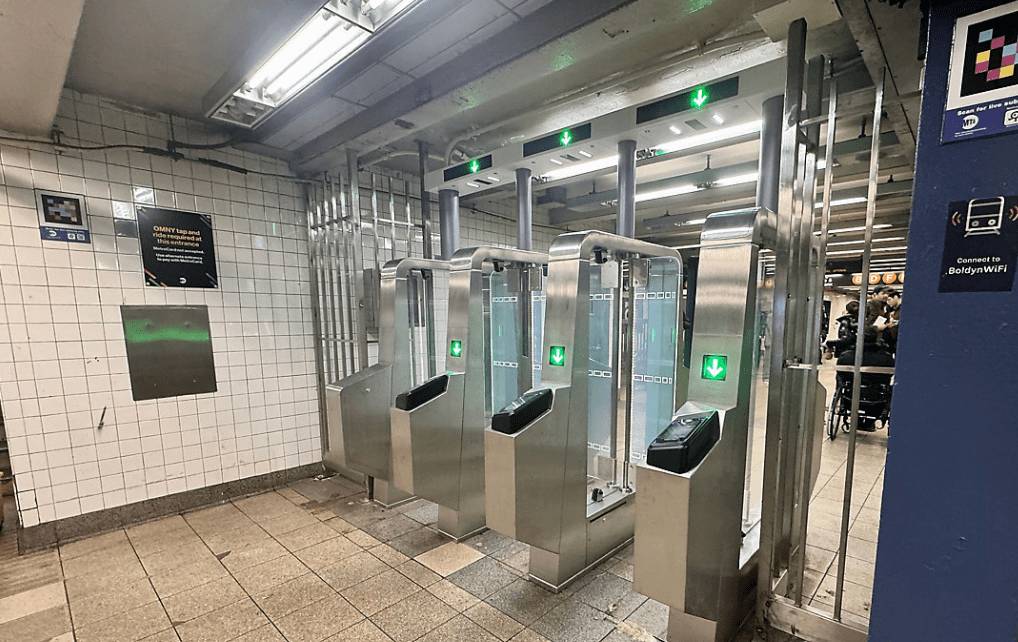
As riders rush through subway stations each morning, a new type of entrance is beginning to replace the familiar turnstiles. The new fare gates are tall glass doors that slide open automatically after riders tap their OMNY cards or phones. Unlike the old metal turnstiles that spin, these modern gates move side to side and stay open for a few seconds before closing again.
The Metropolitan Transportation Authority (MTA) is testing modern fare gates designed to make entry faster, easier, and more efficient for millions of New York City riders.
The introduction of these new fare gates is an important change for NYC commuters, especially students who rely on the subway daily. While the system aims to reduce fare evasion and improve movement in crowded stations, it also raises questions about how effective and reliable it will be. This issue matters to our school community because transportation directly affects students’ ability to arrive on time and travel safely.
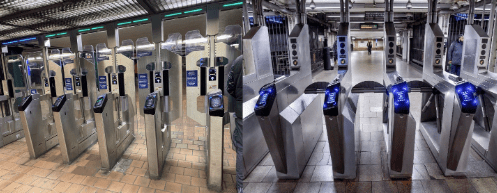
Thalia Bolanos, our HSEI Spanish teacher who regularly uses the subway, shared her opinion on the new system. “I think the new gates are easier to use than the old turnstiles, especially when I’m rushing,” Bolanos said. “But sometimes they feel slower if people don’t move quickly.”
This response shows that while the new gates improve comfort and accessibility, they can still create delays during busy times. For students trying to catch trains before school, even small slowdowns can affect their commute.
According to a report from Gothamist, the MTA is testing new fare gates to replace subway turnstiles in order to reduce fare evasion and improve how quickly riders enter stations.
However, a Fox 5 New York report explains that some riders have already found loopholes in the system, showing that the new gates are not completely effective yet.
Ashley Torres, a student of HSEI who also regularly uses the subway, shared her opinion on the new system. “I think that it’s going to make it more difficult for the government to be paid because if someone exits through the gates, they stay open and someone else can pass through it,” Torres said.
Torres also explained that she does not think the gates will completely stop fare evasion. “It may not have an effect because I believe it is easy to pass through. What might make it difficult is people coming from the exit,” she said. This shows that some riders think crowding and station traffic may create problems with the new system.
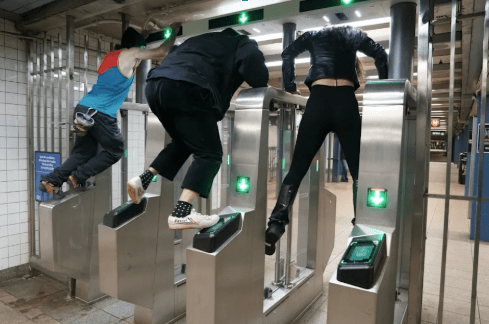
In another comment, Torres shared concerns that the gates may actually make skipping fares easier. “In my opinion, I do not think so. I feel like it made it more accessible for them to skip fares because the doors stay open when someone exits,” Torres explained. This opinion suggests that while the gates are modern and convenient, they may accidentally create new loopholes in the system.
I also spoke to a transit worker who preferred to remain anonymous. They explained the purpose and challenges of the new fare gates. “The goal of the new fare gates is to reduce fare evasion and improve efficiency, but no system is perfect,” they said. “There will always be challenges that need to be fixed over time.”
As the MTA continues testing these modern fare gates, students and commuters will play an important role in determining their success. The future of subway travel in New York City may depend not only on new technology, but also on how people adapt to it.






Leave a Reply